HVAC and Air Duct Mold Removal in Pacific Palisades, CA
Air duct mold removal in Pacific Palisades needs a component-by-component plan. Ask which parts need cleaning, replacement or mechanical repair.
- Component-specific scope
- Cleaning and repair boundaries
- Questions before work starts
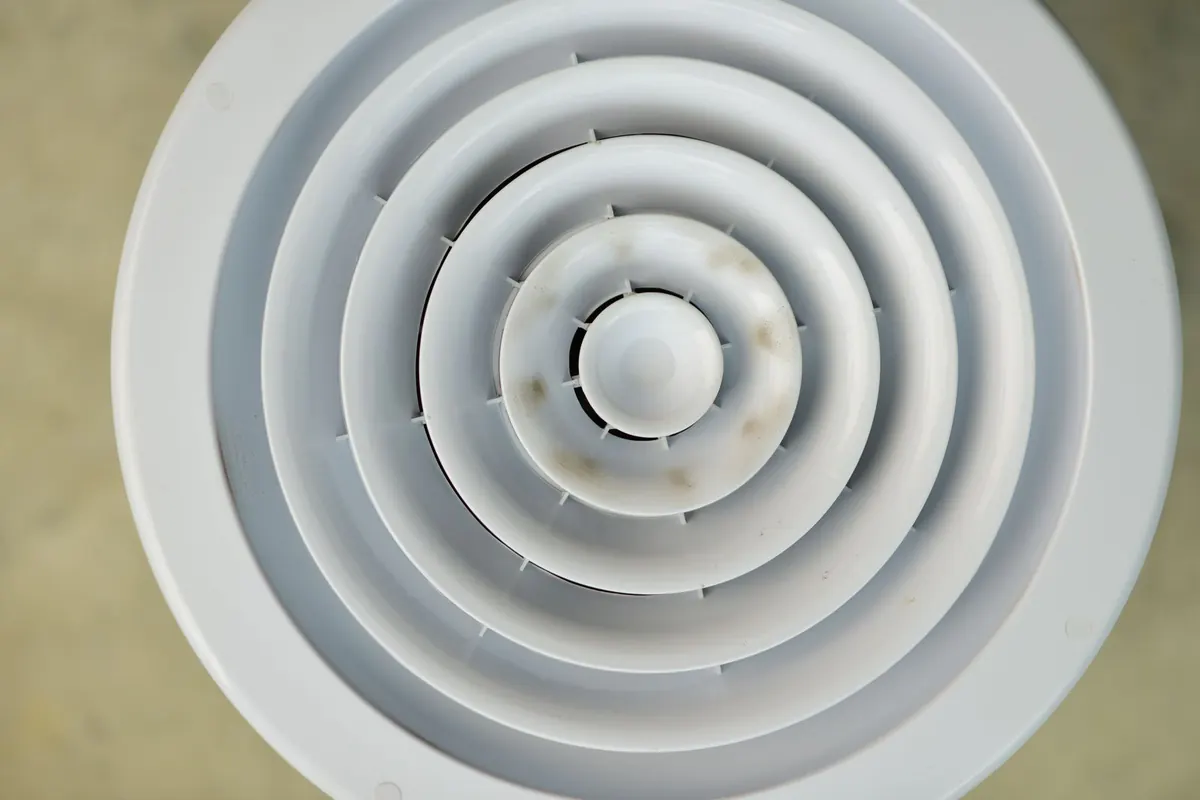
Los Angeles County HVAC Cleanup and Air Duct Mold Removal
Keep mold removal, regular duct cleaning and mechanical repair distinct in your work plan.
Have your air ducts assessed along with the drain pan, evaporator coil, blower, condensate line and air handler. Stained or dusty surfaces are not enough to confirm mold.
Ask for a written work scope listing affected materials, exclusions and ways to reach the area. Work limited to a register is different from work across your HVAC system.
- Supply and return air openings
- Duct interiors and insulation
- Coils and furnace cabinets
- Nearby walls and HVAC closets

How to Choose Your HVAC Help in Pacific Palisades
Relevant HVAC Experience
Ask about work on your duct material and equipment type. Request references for comparable projects.
Access Methods
Ask about gaining entry to inaccessible sections, including plans for closing new openings afterward.
Changes to the Scope
Set an agreement for recording and approving newly found damage before any additional work starts.
Mechanical Repair Responsibility
Name the person accountable for assessing ventilation needs, drain operation and equipment problems.
Los Angeles County HVAC Equipment Signs Worth Reporting
Tell the assessor when and where you noticed changes.
Mold in AC Unit Components
Report standing water in the pan or dampness near the condensate line.
Stains Around an HVAC Closet
Report water stains, peeling paint or damp drywall beyond the equipment cabinet.
Dark Marks on Registers
CDC says color does not tell you how risky mold is. Have dark spots assessed.
Mold in Air Ducts
Have suspected growth shown in images when you cannot view the relevant sections from the room.
Steps Ahead of Your HVAC Assessment in Pacific Palisades
As you prepare for access, avoid disturbing or opening affected parts.
Call (844) 352-3560- Avoid Disturbance. Avoid brushing growth; neither fans nor compressed air should be directed into vents.
- Arrange Leak Repair. Stay clear of wet electrical equipment. Seek help to stop incoming water.
- Identify System Controls. Let the assessor know whether one unit uses your thermostat or the equipment is shared.
- Record the Starting Condition. Record when you first observed visible damage and take pictures without entering the affected area.
- Report Recent Water Damage. EPA advises that you dry areas and items damaged by water within 24 to 48 hours to prevent mold growth.
What Is Your HVAC Mold Removal Cost in Pacific Palisades?
Base your price comparison on the components with damage. Do not total these published categories for your project, since their coverage overlaps.
HVAC mold, including air ducts
$3,000 to $10,000 per jobSource: Fixr, Mold Remediation Cost (checked 2026-10-23)Mold remediation in air ducts
$1,000 to $5,000 per jobSource: Fixr, Air Duct Cleaning Cost (checked 2026-10-23)Mold in vents with no duct involvement
$100 to $500 per jobSource: Fixr, Mold Remediation Cost (checked 2026-10-23)Factors That Change Your Scope in Pacific Palisades
- Which HVAC parts are contaminated
- Independent clearance testing
- Duct or insulation replacement
- Drain pan leaks or condensation
- Duct length, access and material
Published Ranges for HVAC Costs
The figures are published national cost guide ranges, not results of a property visit. Before work begins, you should get an explanation of the property price determined through an on-site assessment.
Ask about cost: (844) 352-3560Insurance Considerations for HVAC Mold in California
Ask your insurer which parts of the reported damage your policy covers before assuming payment.
Property Disclosures
California's Toxic Mold Protection Act includes a landlord written-disclosure section (Health and Safety Code 26147). By its own wording it applies only after the state adopts mold exposure standards, and the state health department has said it could not set them.
Rental Notices
Under California's housing law, visible mold found by a health officer or code enforcement officer can make a rental substandard. Renters can contact their local health or code enforcement department to ask for an inspection.
HVAC Claim Limits
Ask about deductibles, mold sublimits and any separate restriction on equipment repair.
Cause of the Loss
Ask whether policy terms differ for recurring condensation, maintenance issues and a leak that happens suddenly.
Pacific Palisades Guide to HVAC Mold Removal Procedures
Use your assessed scope to set work order and completion standards.
Assess HVAC Components
Document the moisture source and square footage of the affected area while using appropriate protective equipment.
Set Containment
Specify a containment barrier, poly sheeting and negative air pressure where needed. A HEPA air scrubber functions as an air filtration device.
Remove Unsalvageable Material
Include tear out and drywall removal when required, scheduling both ahead of final surface cleaning.
Clean Retained Components
Suitable non-porous surfaces may receive damp cleaning and a HEPA vacuum as determined through assessment.
Dry and Coordinate Repairs
Leaving the water problem unresolved allows mold to return. Verify dryness ahead of replacement of materials.
Verify Before Restart
Complete the post-remediation check before containment comes down. Clarify who permits the repaired system to restart.
Questions Before Approving Duct Treatments
Before permitting biocides or sealants, EPA advises you to understand the proposed uses. Clarify:
- What product is proposed, and why is it needed?
- Does its label permit use on your specific duct material?
- According to the product label, which occupant precautions are necessary?
- What is the plan for completing physical cleaning prior to antimicrobial treatment?

Discuss HVAC and Air Duct Mold Removal in Pacific Palisades
Call at any time. A HVAC and air duct mold removal specialist takes your call, discusses what you see and outlines what comes next.
HVAC Work Area Concerns Across Greater Los Angeles
Your assessment needs to consider people present as well as conditions beyond what you can see.
Sensitive Occupants
According to CDC, some people can experience allergy and asthma symptoms triggered by mold. People whose immune systems are weak, or who have asthma or lung disease, face greater risk.
Contaminated Water
To extend the work beyond visible mold, tell your assessor if sewage or contaminated water is involved.
Hidden Moisture
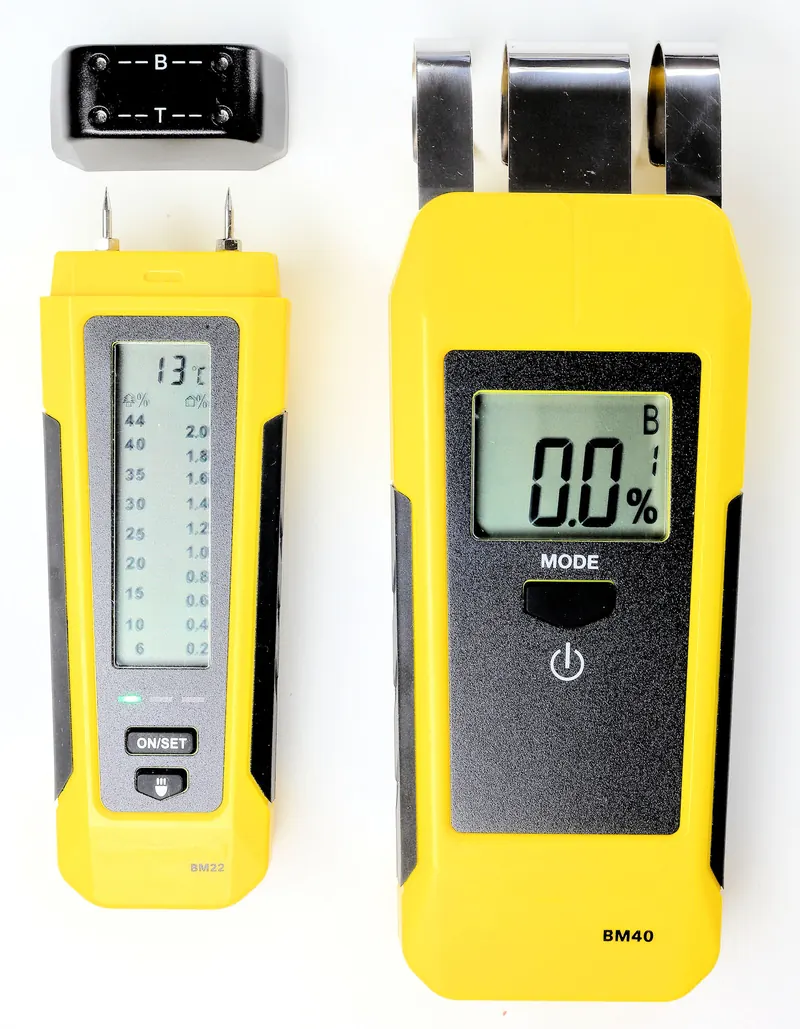
Register dryness alone cannot tell you whether materials nearby have dried. Hidden dampness can be assessed using moisture readings.
Can you clean it yourself? The EPA advice on homeowner cleanup under about 10 square feet does not authorize DIY work on HVAC contamination. Get professional assessment when systems are involved.
Los Angeles County HVAC Material Choices
What you can clean varies with the material and its condition. According to EPA, replace insulation in ducts if it is moldy or wet.

Non-Porous Parts to Assess
- Metal registers and unlined ducts
- Accessible pans and equipment cabinets
Porous Materials to Assess
- Moldy duct insulation for replacement
- Affected drywall, flexible duct and ceiling tile
- Cleaning and drying may suit sound wood framing; wood remains a porous material
Repair After Remediation
- Failed drain components
- Duct sealing where leaks are identified
- Replacement insulation and wall finishes
What Shapes Your HVAC Schedule in Los Angeles County
Ask for milestones tied to access, repair decisions and verification.
- Access to duct runs: You may first need to arrange attic access, openings in ceilings or approval to enter shared spaces.
- Replacement components: Confirm availability of matching duct sections, insulation or drain parts before booking follow-on trades.
- Dryness and handoff: Use moisture readings with the agreed checks for completion to determine when rebuilding or restarting the system can begin.
HVAC Odor and Humidity Across Greater Los Angeles
A musty odor by itself does not show you where mold grows. List rooms with a different smell, noting whether a leak accompanied the odor's arrival.
Keep your relative humidity under 60 percent, with an ideal range of 30 to 50 percent, as EPA recommends. A dehumidifier aids humidity control; you still need to correct the moisture problem.
Scope and Repair Planning
Use the full HVAC and air duct mold removal guide to prepare questions about the assessment, scope and next steps for your property.
Read the HVAC and air duct mold removal guidePlanning HVAC and Air Duct Mold Removal in Pacific Palisades
Local housing figures describe the area, not the condition of your property. Use assessment findings to organize access, records and repairs for moisture problems.
Census ACS 2024 5-year (tables B01003, B25003, B25035, B09021 and B25024). Area estimates do not establish conditions at an individual property.
When mold appears in a Pacific Palisades property, checking the room above, below, and beside it can reveal moisture moving through shared building materials.
Keep indoor humidity below 60 percent, ideally 30 to 50 percent, and use working exhaust or ventilation to help cleaned areas remain dry.
Local HVAC and Air Duct Mold Removal Information for Pacific Palisades
Ask on the phone about mold cleanup for nearby ZIP codes and communities.
What People Ask About HVAC and Air Duct Mold Removal in Pacific Palisades
If one vent has mold, must you clean every vent?
Finding one mold-affected register cannot define what work every duct needs. Have the findings pinpoint affected sections and justify any work proposed for additional components. A proposal should distinguish confirmed findings from areas that remain inaccessible, so you can decide whether further inspection is needed before authorizing a whole-system job.
Is staying home an option during HVAC work in Pacific Palisades?
Find out how the shutdown plan separates living spaces, preserves access to essential rooms and manages your heating or cooling. Before scheduling, talk through your household requirements. Your property's plan may call for you to stay elsewhere; neither a filter alone nor a closed room assures safety.
What records should you receive at completion?
Keep repair invoices, the final scope and any test reports alongside moisture readings and component-labeled photos showing conditions before and after. Request identification of equipment excluded and areas still unresolved. With these records, you can address later issues and describe what was done instead of depending on a broad claim about cleaned ducts.
When planning removal in Los Angeles County, do you need air sampling?
With visible mold growth present, you usually do not need sampling, says EPA. Clarify the decision that testing, as proposed, would change. If a substance is uncertain, identification may need laboratory analysis. Air sampling cannot take the place of inspection; federal limits for indoor mold do not exist to establish your home's compliance.
Whom should you use for clearance testing?
Where clearance testing forms part of your scope, have an independent assessor perform testing instead of the company doing removal. Agree on the post-remediation verification criteria before work begins, including what happens if results require more work. Ask whether the fee includes a return visit and which components the assessment covers.
Are mechanical repairs and rebuilding included?
Do not take AC unit replacement, wall closure or condensate repairs as automatically part of cleanup. Request individual descriptions and assigned responsibilities for mechanical work, removal and rebuilding. To compare proposals covering the same scope, check whether disposal, replacement finishes and access openings are part of each.
Questions About HVAC and Air Duct Mold Removal in Los Angeles County?
Calls about HVAC and air duct mold removal are answered 24 hours a day, so you can receive clear and practical guidance.